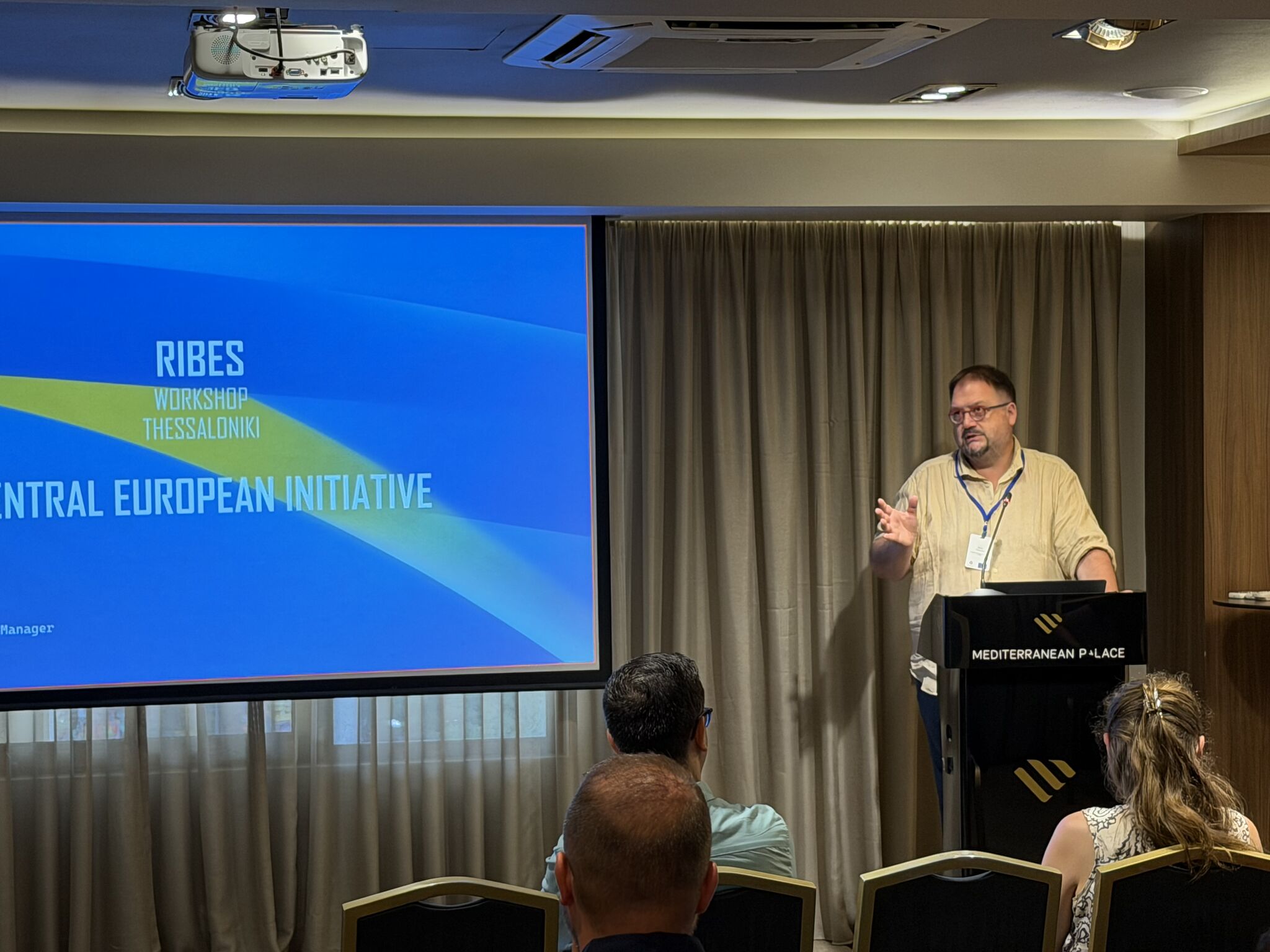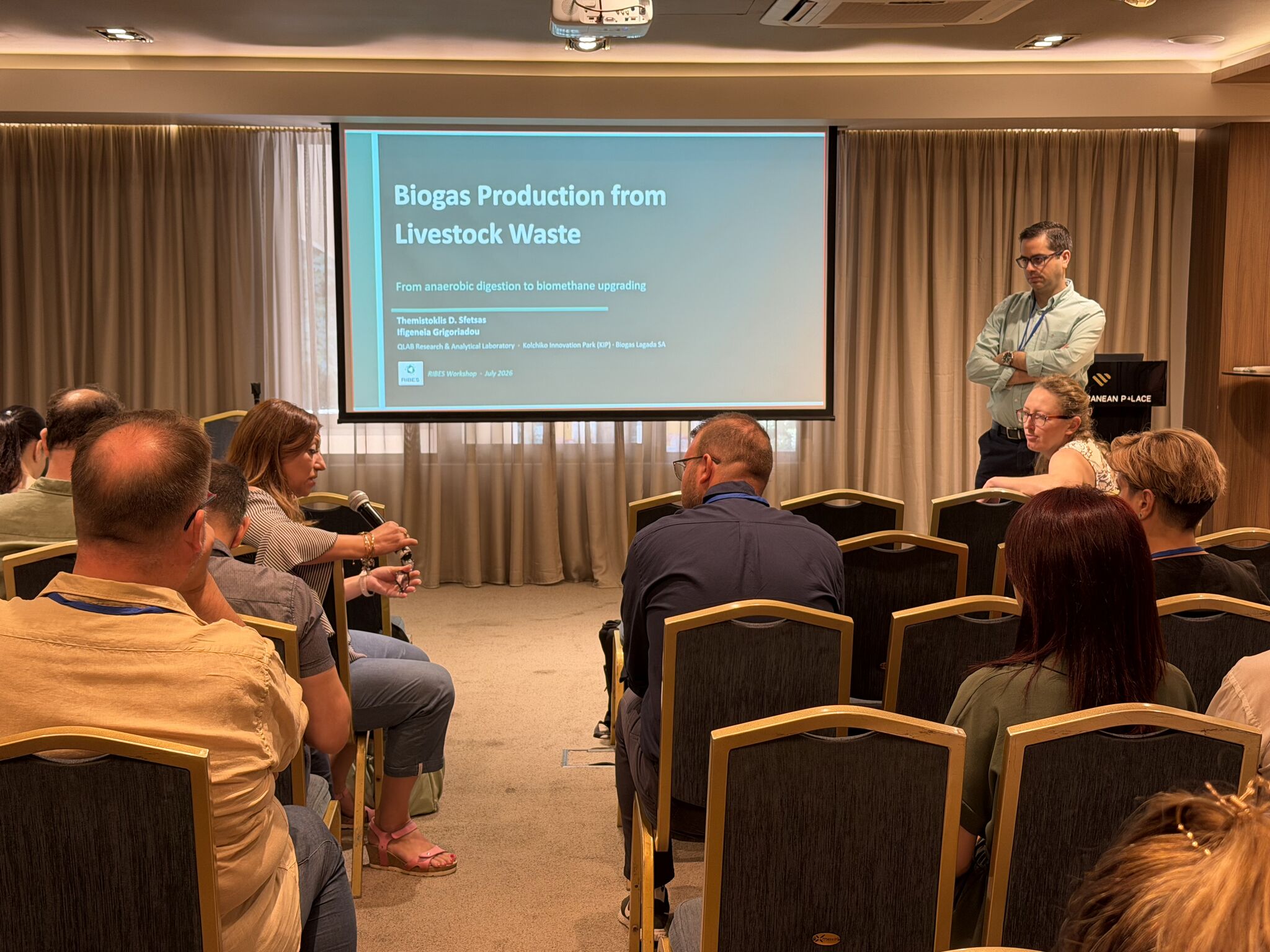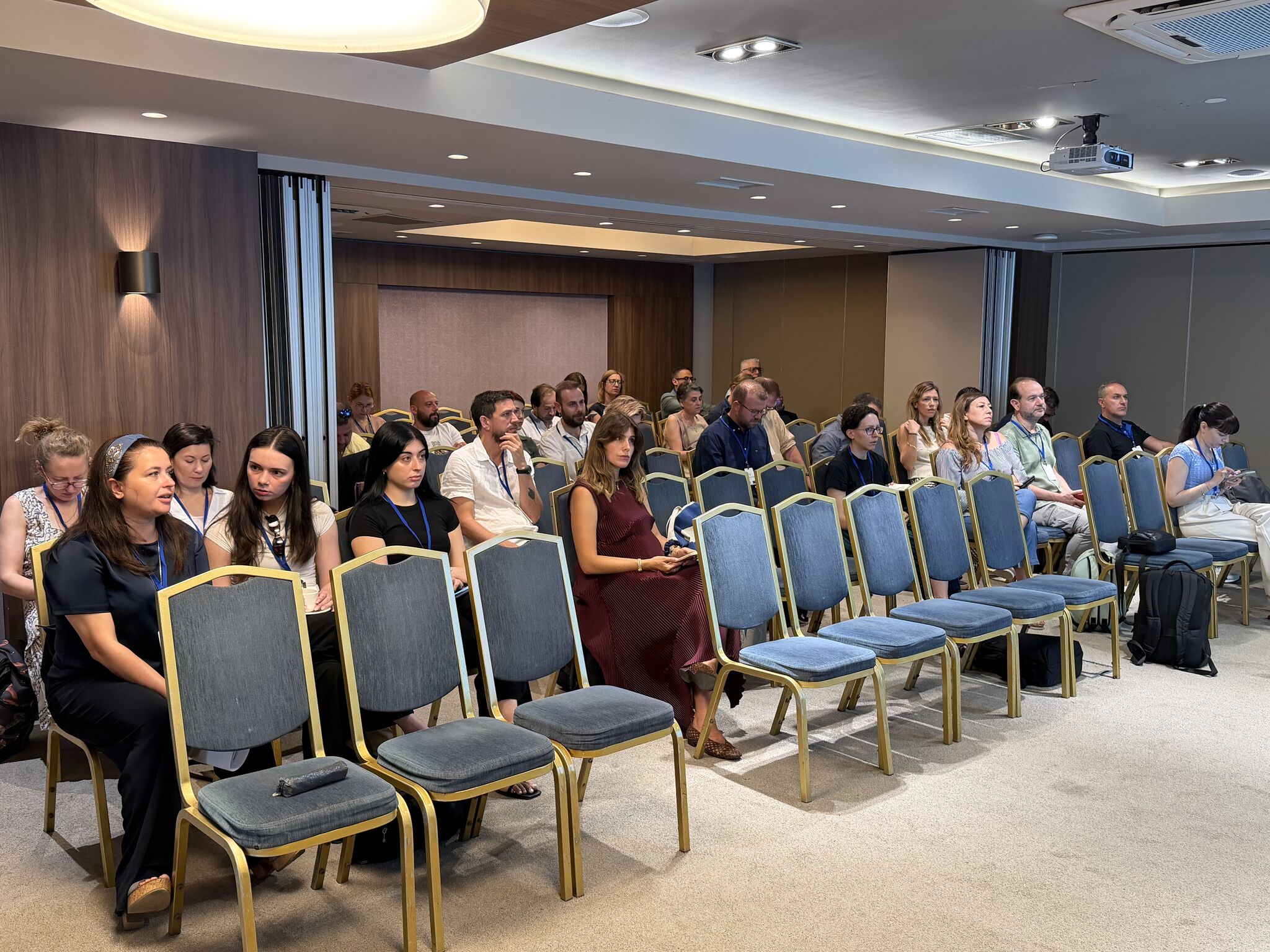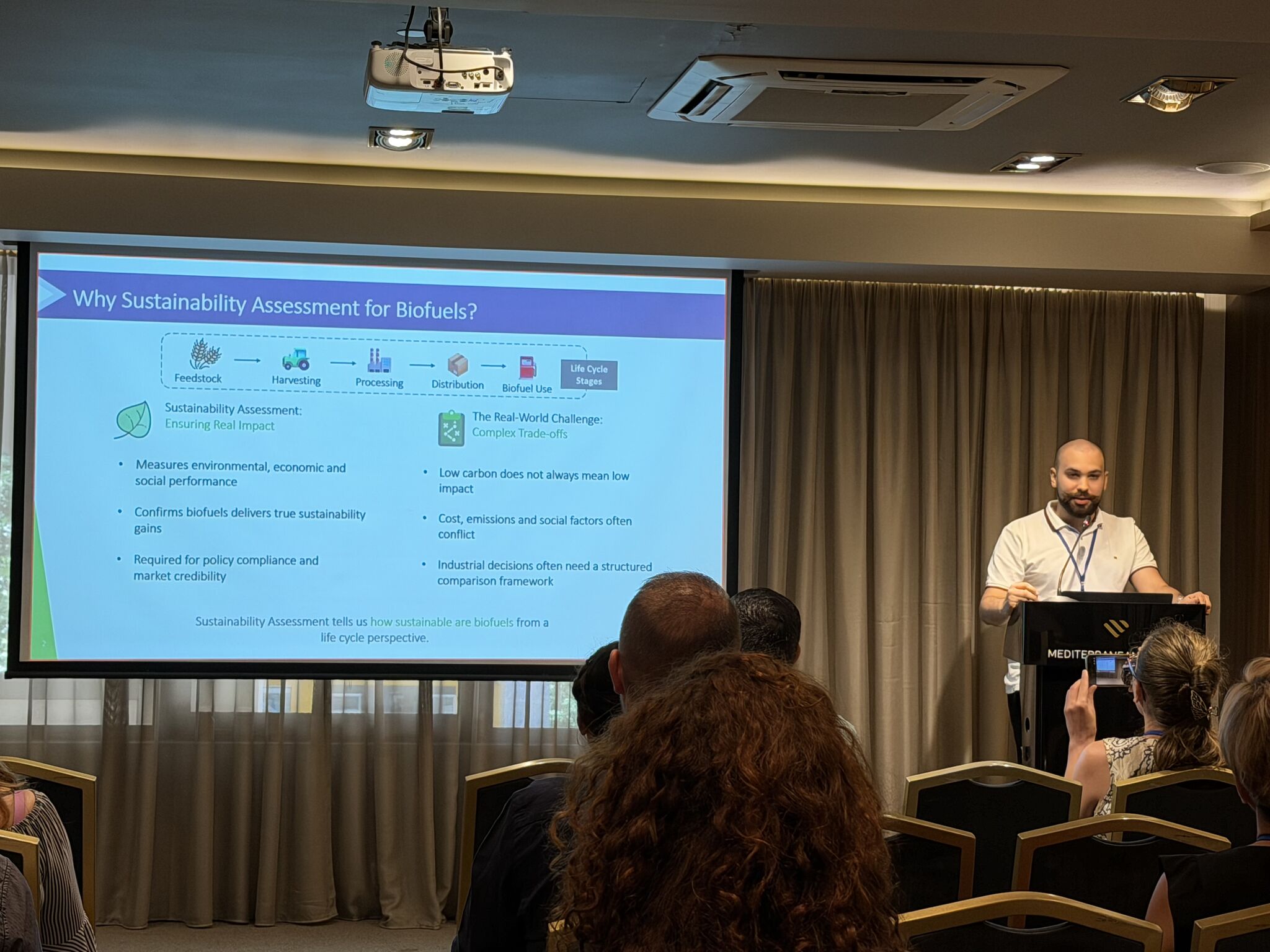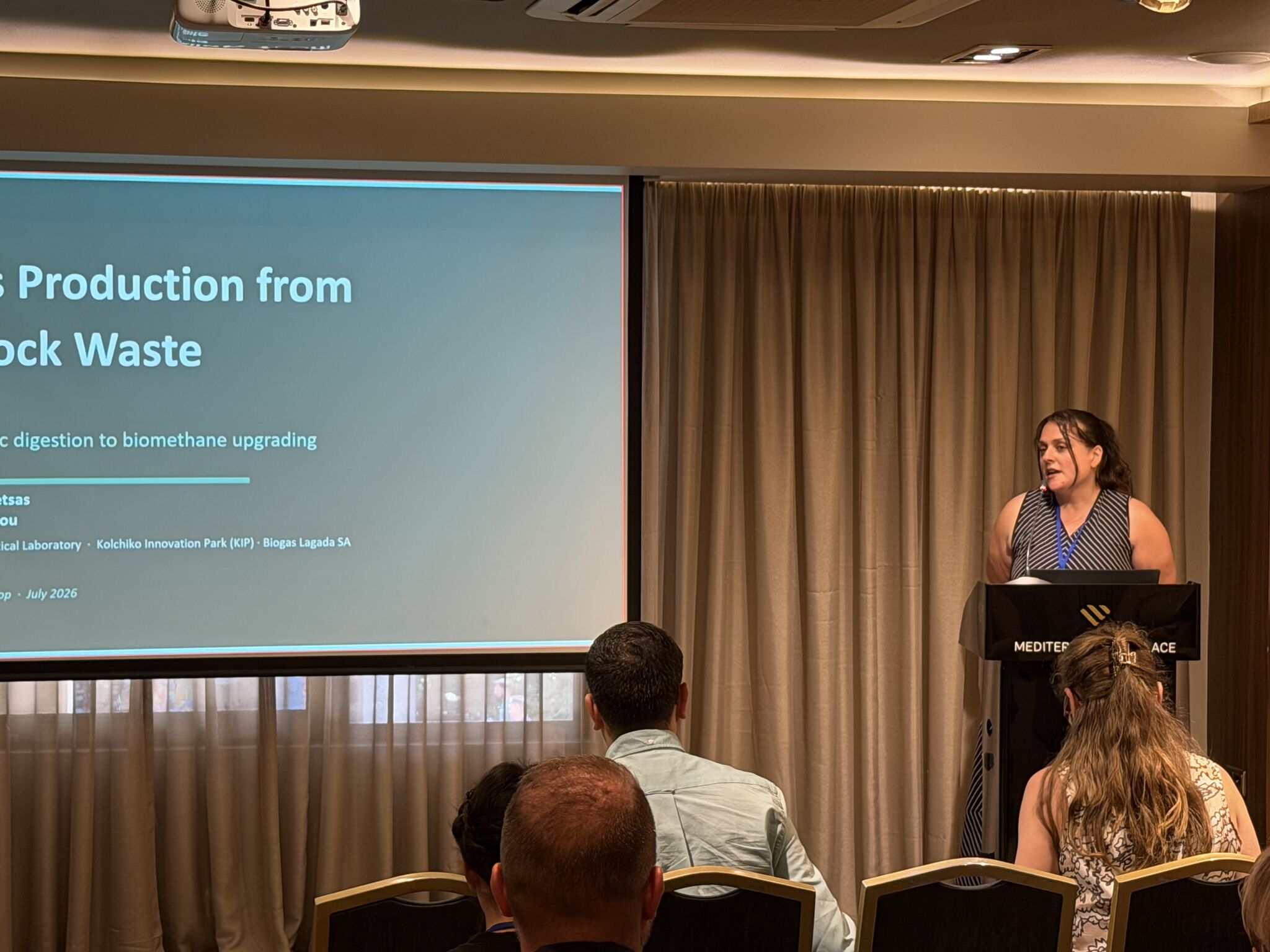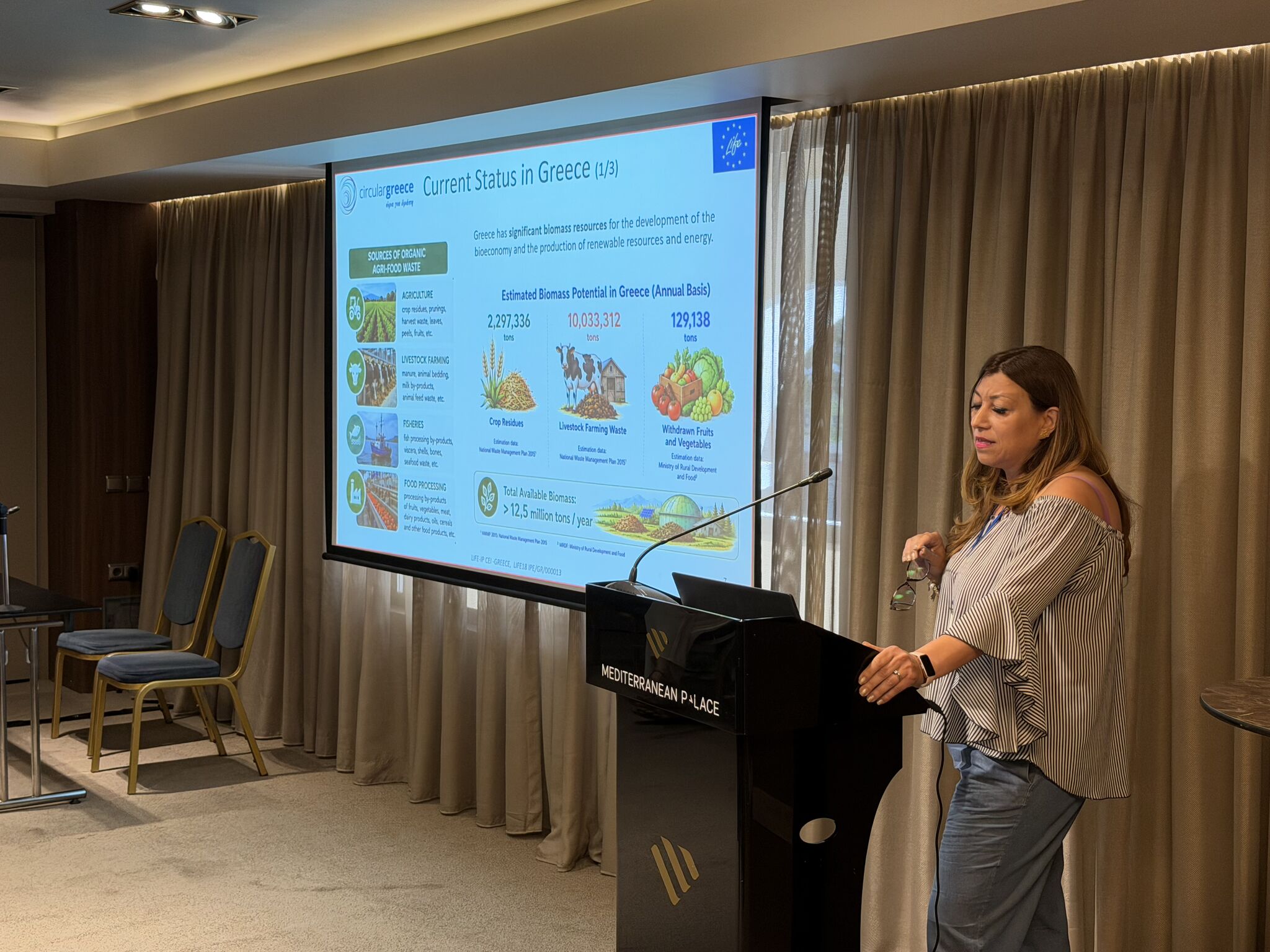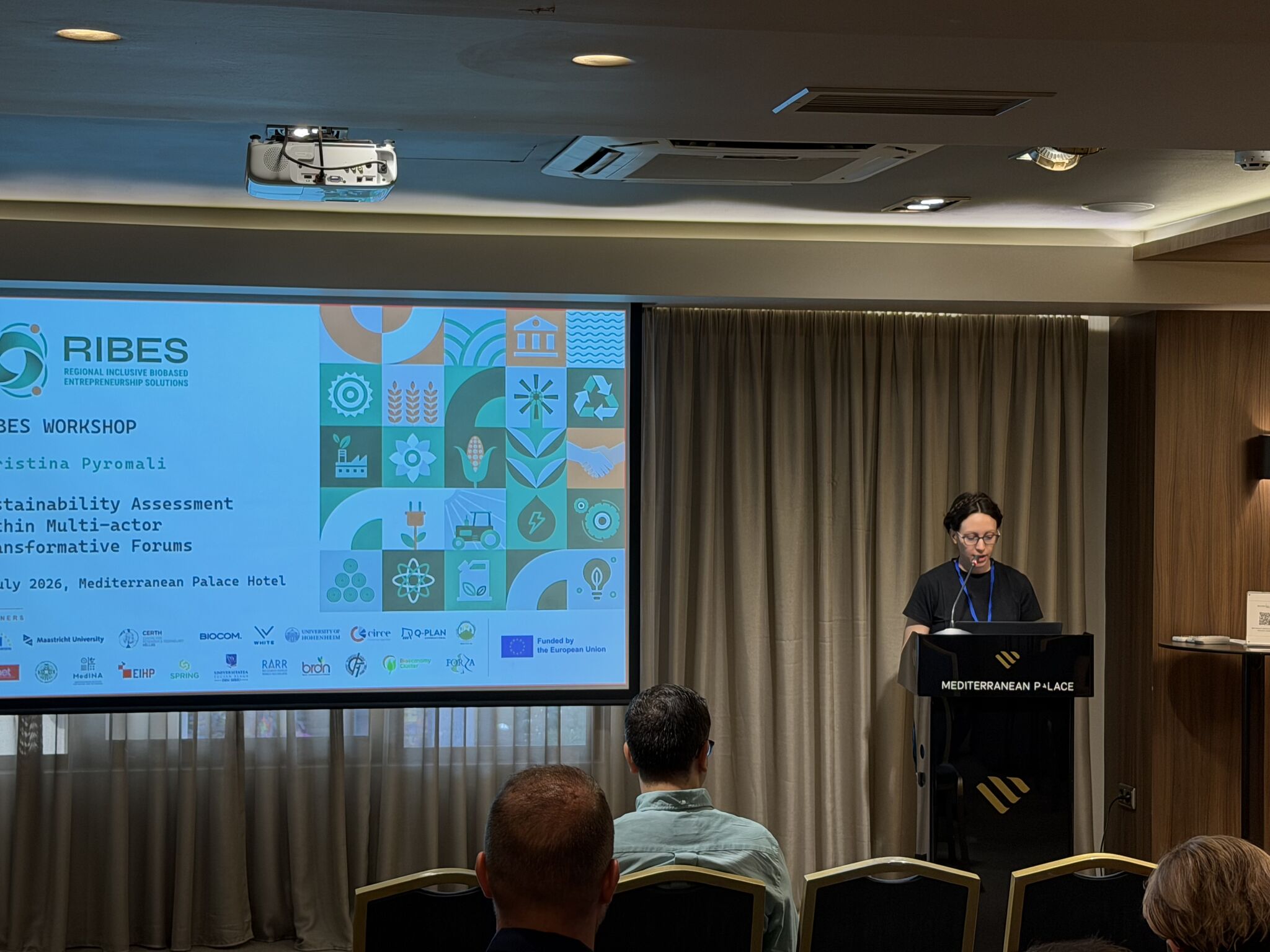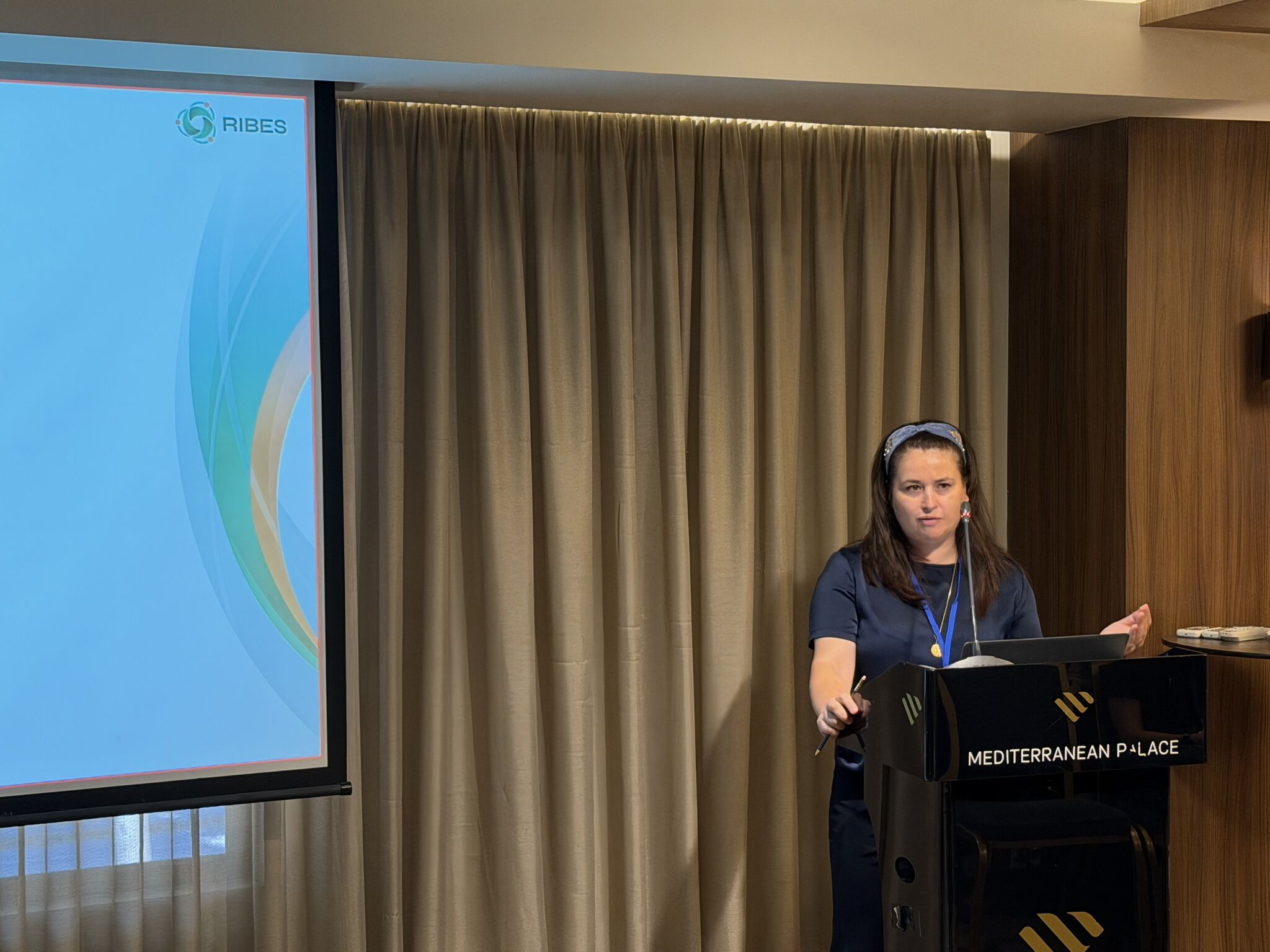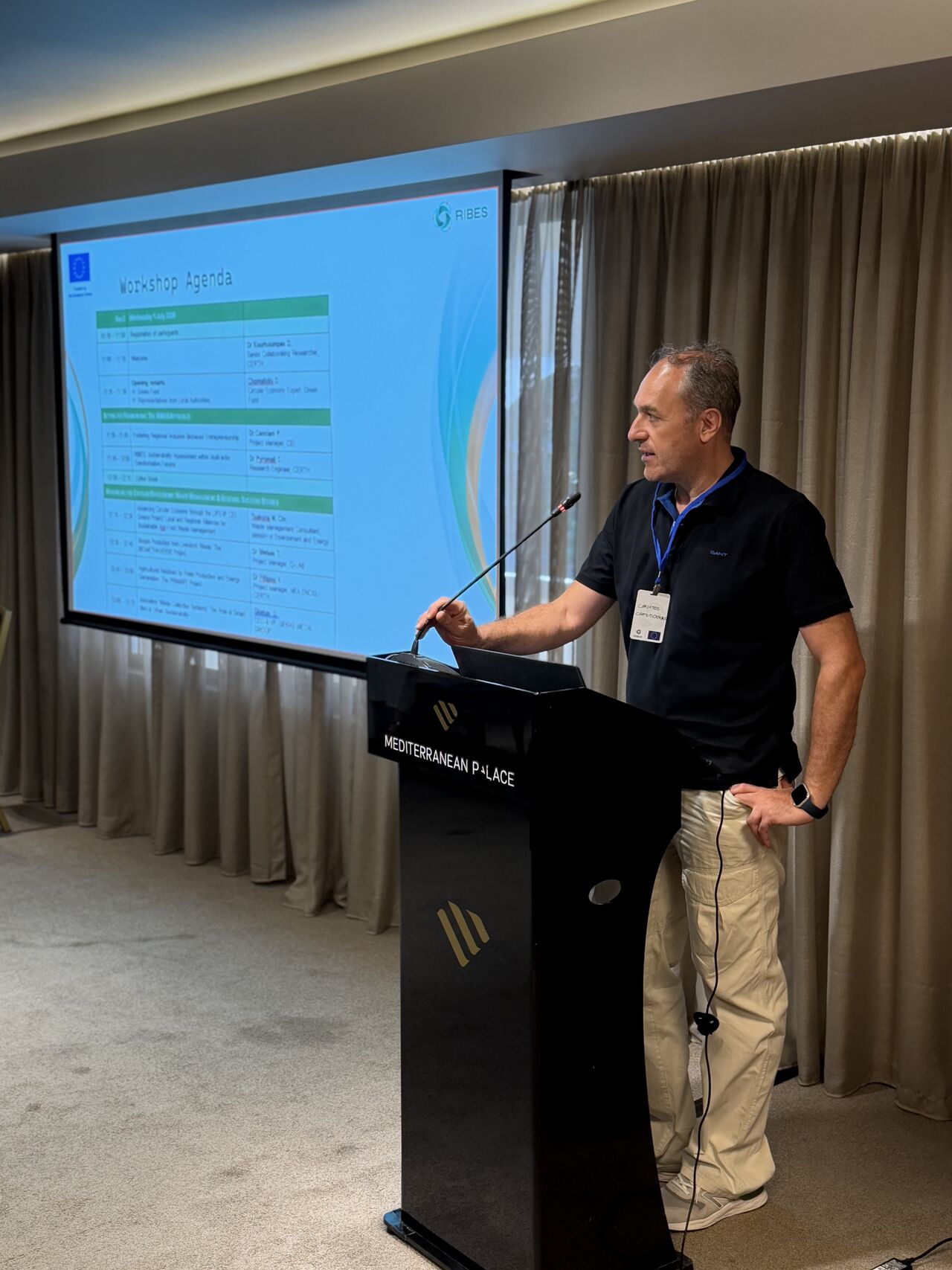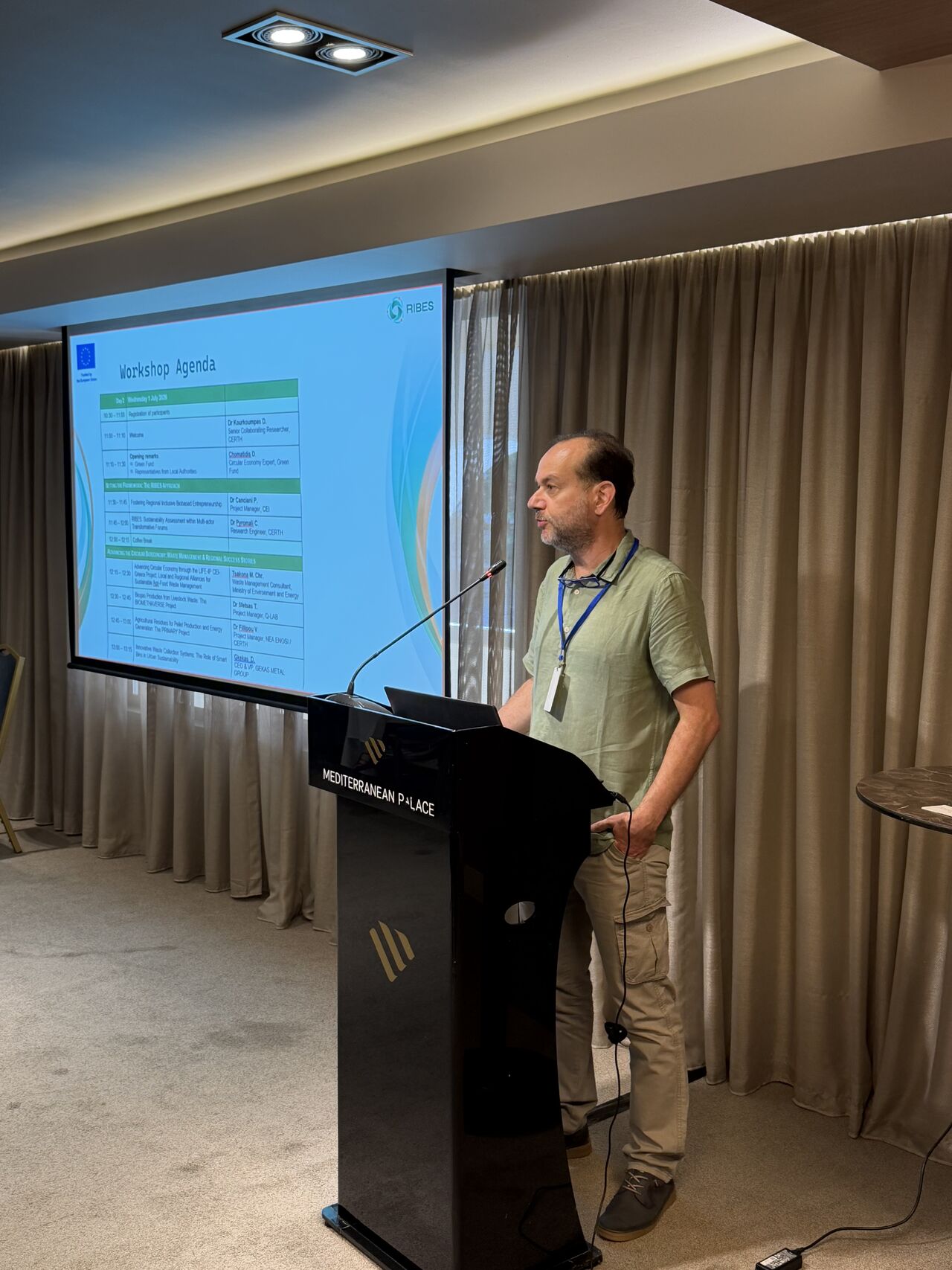
The RIBES workshop “Advancing Circular Bioeconomy through Regional Innovation and Biomass Valorisation”, held in Thessaloniki, brought together experts from research, public authorities, industry and circular economy practice to exchange experiences and explore practical approaches to advancing the circular bioeconomy at regional level.
At the centre of the discussion was a key question for RIBES: how can regional actors work together to create inclusive, practical and sustainable bio-based entrepreneurship solutions?
Throughout the workshop, participants explored concrete examples demonstrating how circular bioeconomy principles are already being translated into action across different sectors and territories.
From agri-food waste to new regional opportunities
One of the areas explored was the importance of local and regional cooperation for sustainable agri-food waste management, drawing on experiences from the LIFE-IP CEI-Greece – Circular Greece project.
The workshop also looked at the potential of livestock waste as a resource for renewable energy, with examples of biogas production presented through the BIOMETHAVERSE project and Qlab.
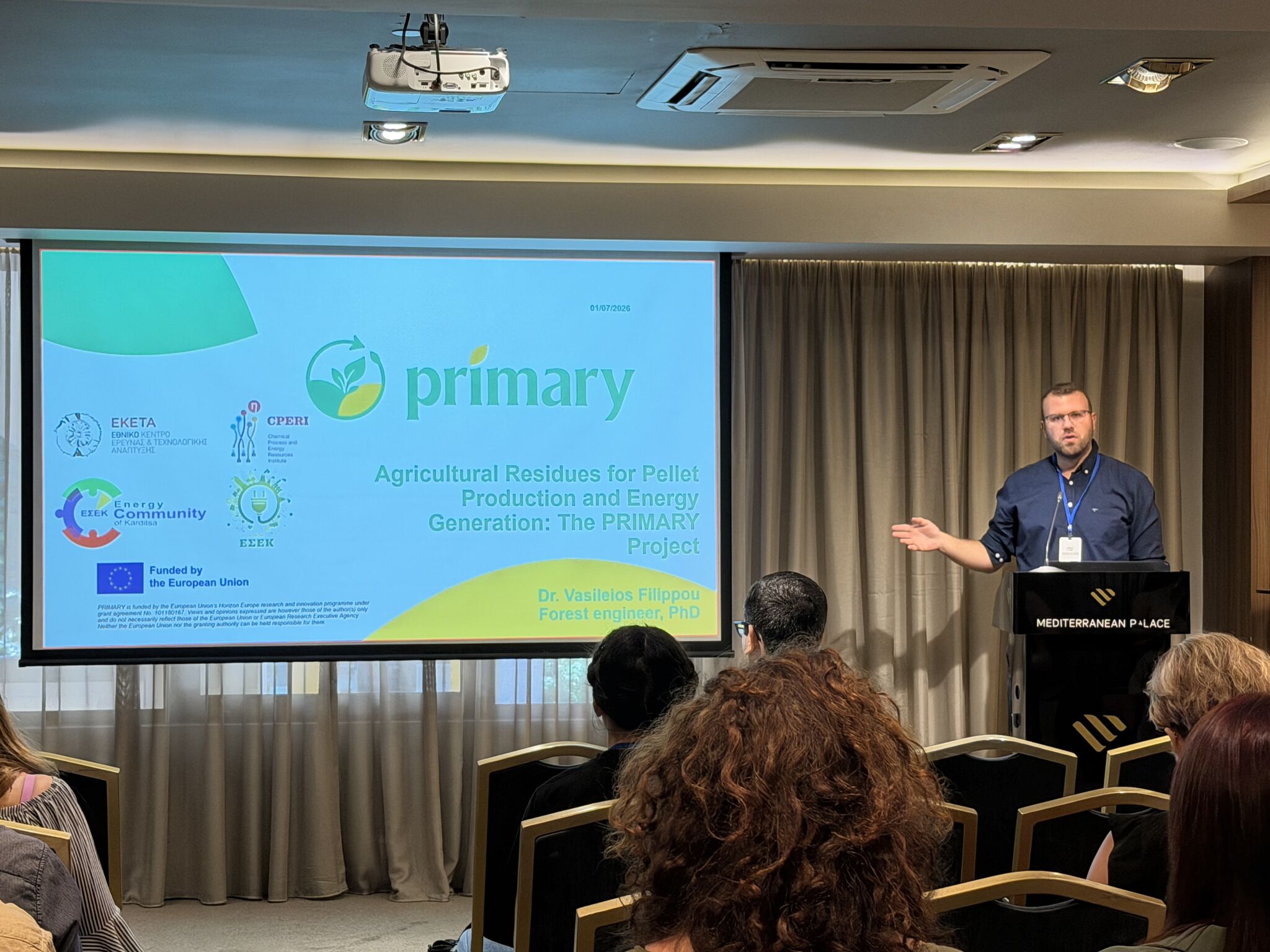
Agricultural residues offered another practical example of circularity in action. Through the PRIMARY project, participants explored approaches to the valorisation of agricultural residues for pellet production and energy generation, demonstrating how materials traditionally considered waste can become valuable inputs for new value chains.
Digital tools and smarter resource management
The discussion extended beyond biomass itself to the systems and technologies needed to manage resources more efficiently.
Participants examined smart waste collection systems and their potential contribution to more sustainable urban management, alongside the role of digital innovation in supporting the energy transition.
Digital and decision-support solutions, including examples from the BioTheRoS EU Project, illustrated how data and digital tools can help stakeholders make more informed decisions and support the development of sustainable energy systems.
Creating the right conditions for circular bioeconomy development
Technology alone, however, cannot deliver the circular bioeconomy transition.
The workshop also addressed the evolving European framework for carbon removals and carbon farming, highlighting the importance of the wider policy and regulatory environment in supporting new sustainable practices and business opportunities.
Across the different presentations and discussions, one message emerged clearly: advancing the circular bioeconomy depends on the interaction between innovation, regional cooperation, accessible digital tools, enabling policy frameworks and active stakeholder participation.
This perspective closely reflects the approach of RIBES, which seeks to bring together actors from across regional ecosystems and support the development of inclusive and sustainable bio-based entrepreneurship solutions.
By creating space for knowledge exchange between projects, experts and practitioners, the Thessaloniki workshop demonstrated the value of connecting practical experience with regional needs and collaborative approaches.
RIBES warmly thanks all speakers and participants for contributing their knowledge, experience and perspectives to the discussion.